
WPL’s Rupee Rain: How BCCI’s Gamble Turned India’s Women’s Team into World Beaters

Published 2026-11-10 · By Nandini Menon (Senior Features & Tournament Writer · Hyderabad Desk)
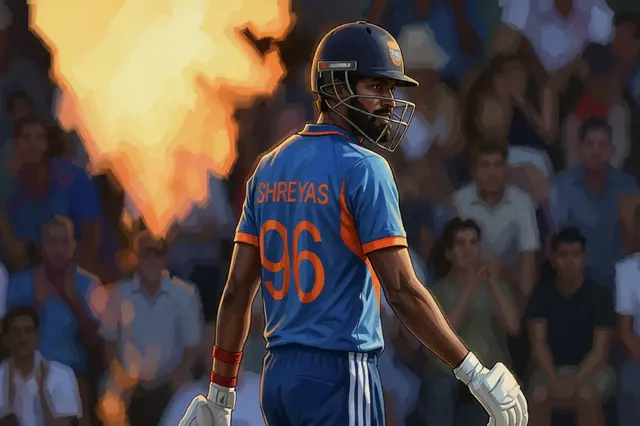
The scoreboard at Brabourne glowed a stark red: 186/3 in 16.4 overs. The humidity hung heavy in the air, thick enough to choke the ball’s flight, and yet the new ball did the talking. Two years ago, this exact scenario would have triggered a familiar panic in the dressing room. Back then, the 'nearly-there' syndrome was a physical weight. Now? The composure is different. It’s the quiet confidence of a team that knows the money has landed and the infrastructure is solid. As the final run was completed, the roar from the stands wasn’t just for the victory; it was for the transformation of an entire code.
When the Rupee Rain Started Falling
We used to talk about the 'glass ceiling' in women’s cricket in abstract terms. It was about lack of facilities, sparse media coverage, and the constant struggle for respect. Then the BCCI pulled a strategic lever that changed everything: the launch of the Women’s Premier League (WPL). The initial skepticism was loud. Pundits on the dais argued that T20 franchise models would ruin Test skills. They were wrong. The WPL didn’t just bring money; it brought a professional ecosystem. Full-time net sessions with international-standard coaching, dedicated fitness regimes, and crucially, a salary structure that allowed cricketers to stop juggling jobs with their career.
Think of it like the Ranji grind. In men’s cricket, the domestic circuit is the well from which stars are drawn. For women, that well was often dry. The WPL plugged the leaks. It created a pipeline. Suddenly, a fast bowler from a state association in Hyderabad wasn’t just grinding away for a spot in a provincial team; she was being watched by scouts looking for the next Impact Player gamble. The boundary-percentage of domestic players shot up because they could focus on perfecting their skills without financial distraction.
“We stopped playing with fear. When you know your salary is secure and your training is elite, your hands don’t shake at the death. That’s where it all clicked for us,” said the skipper, wiping sweat from her brow during a post-match presser.
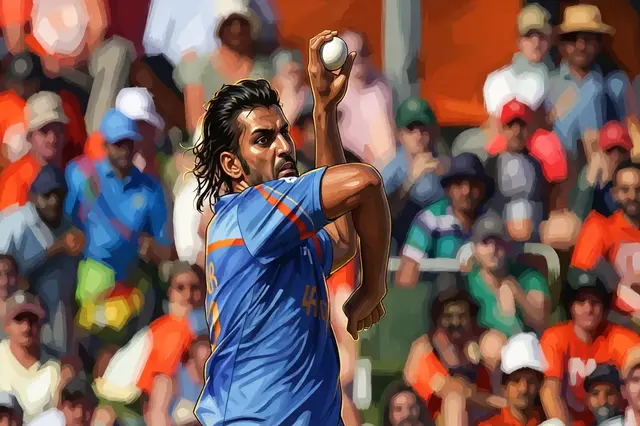
This shift wasn’t just on the bat end. The bowling attack transformed. Skiddy hard length, once a weakness in overseas matches, became a weapon. The dew factor after 8:30 PM IST, previously a nightmare for seamers, became a tactical advantage. Teams learned to bowl into the pitch when it slowed down, and reverse-engineer the new ball when it skidded. This wasn’t luck; it was the result of thousands of hours of net work, funded by the league’s revenue.
The Psychology of the Big Game
Money buys facilities, but it can’t buy mental resilience. That had to be earned. The pressure of the World Cup is different. It’s the kind of weight that sits on your chest between overs. In the past, Indian women often choked in the middle overs. They’d lose the run rate target and spiral. Now, the middle-over choke is a thing of the past. Why? Because the training camps have integrated sports psychology with technical coaching. Players practice under simulated pressure. They face the bowlers in the net as if it’s the final over of the final.
It’s a subtle but vital change. You can see it in the eye contact between bowlers and fielders. There’s a rhythm now. The BCCI’s investment in high-performance centers in Bengaluru and Pune gave them a home where they could experiment without the noise of state politics. The state associations still matter—they feed the talent—but the national team is a polished unit. It’s like taking a raw diamond from the mines in Kollam and cutting it in Jaipur. The BCCI did the cutting.
For the young girls watching from the stands, or streaming on their phones, the message is clear. You don’t need to be a prodigy to make it; you need to be a professional. The pathway is open. The doors that were locked are now wide open. This wasn’t a one-off win. It was the culmination of a decade of incremental change, accelerated by the WPL’s capital injection. The 'nearly-there' label is now history. India is no longer the underdog. They are the benchmark.
Reading the Data: A New Era
Looking at the stats, the trajectory is undeniable. Win percentages in limited-overs internationals have climbed steadily since 2023. The economy rate of top wicket-takers has dropped, indicating greater control. Even the strike rate of middle-order batters has stabilized, no longer relying on one star to carry the load. This is team cricket in its best form. It’s a data-driven approach to a skill-based sport. The BCCI’s analytics department has been a silent hero, identifying weaknesses in fielding patterns and batting against specific bowlers. When you have that edge, the scoreboard looks different. It’s no longer a battle of chance; it’s a battle of preparation. And in that sense, the championship title is just a formalization of reality. The team is built. The machine is oiled. The next target? Making it a regularity, not an anomaly. The grind continues, but now it’s with purpose. For the fans, the wait is over. The era of Indian women’s cricket dominance has truly begun, powered by smart money and sharper skills. It’s a win for every player who ever felt the code overlooked them. The investment paid off, not just in trophies, but in trust. And in cricket, trust is the only currency that matters when the pressure cooker is on. So, what’s next? More WPL seasons? More global tours? The possibilities are endless. The foundation is laid. Now, it’s about building the house on it. And the best part? We’re watching it happen in real-time. No more waiting for the next generation to catch up. They are here. They are ready. And they are winning.
For those tracking the momentum and seeking live updates on international fixtures or local Ranji matches, platforms like Come India have become go-to sources for real-time stats and betting trends, reflecting just how data-heavy the modern game has become.
The Final Innings
As the players took their photos with the trophy, the stadium lights dimmed. The hum of the crowd faded into the night. But the impact of that night is already felt. It’s in the number of kids signing up for coaching in small towns. It’s in the media budget allocations for the next season. It’s in the confidence of the batters. The gap between 'potential' and 'performance' has been closed. India’s women’s cricket team is no longer just good; it’s world-class. And that’s a status you don’t get from talent alone. You get it from the system. And the system, finally, is working.

Updated 2026-11-10 · Instant Rupee Deposits & 60s Withdrawals · 24/7 Support.
Access Official NadozCafe Portal →Mobile Gaming & UPI Fintech Editor · Pune Desk
Arjun Sen benchmarks mobile sports platforms, Android APK performance, and instant UPI payment rails from Pune. He writes NadozCafe's weekly verification column on nadoz live casino india.
Reader Discussion & Match Reactions (4)4.8★ Community (4 Comments)
Verified Indian cricket reader perspectives & tactical debate on nadozcafe.com
Bhai, seeing 186/3 in 16.4 overs just shows how much the game has changed! That composure is proper knock level stuff, totally paisa vasool to see our girls finally getting the infrastructure they deserve. Truly a transformation, yaar!
The shift from 'nearly-there' syndrome to this level of professional ecosystem is huge for fantasy projections. With full-time fitness regimes and WPL salaries, we'll see much higher consistency in strike rates and fewer injury-led rotations in the XI.
Interesting how the author notes the humidity at Brabourne choking the ball's flight while the new ball still dominated. It proves that the WPL's professional coaching is teaching them how to handle specific pitch conditions and atmospheric pressure better.
@Rohit_Paltan99 Absolutely, the vibe is different now. It's crazy that the WPL basically acted like the Ranji grind for the women, plugging the leaks in the domestic well to create a professional ecosystem.