

New Zealand Tour: India A squad reveals the pressure-cooker talent pipeline

Published 2026-11-28 · By Nandini Menon (Senior Features & Tournament Writer · Hyderabad Desk)
The selection committee met at 6:45 PM, just as the monsoon drizzle began to hammer the Brabourne Stadium roof. No chit-chat. No small talk about last night’s series. Just a 24-name list pinned to the whiteboard, and the quiet certainty that the New Zealand tour would test a different kind of player. The new ball did the talking in Mumbai’s selection room, and it spoke volumes about where India’s talent pool is actually heading.
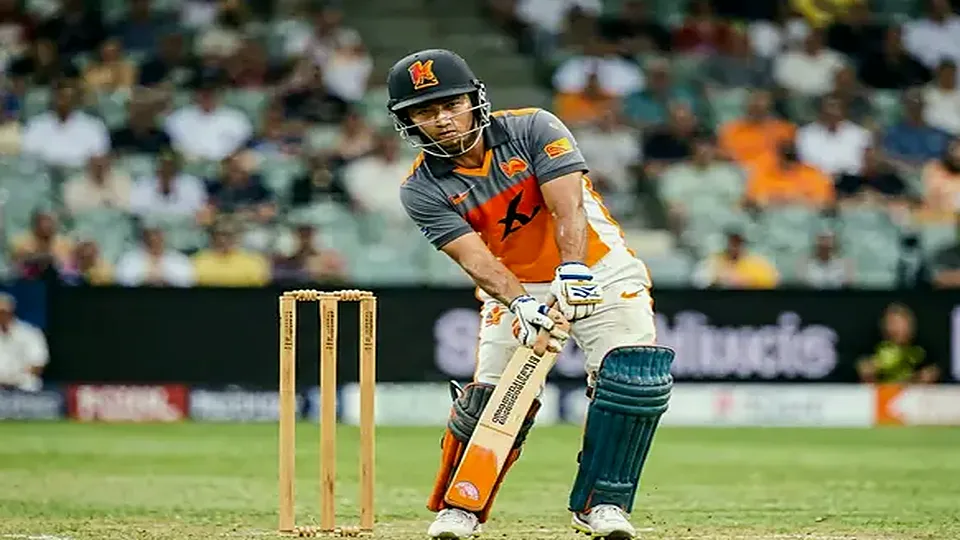
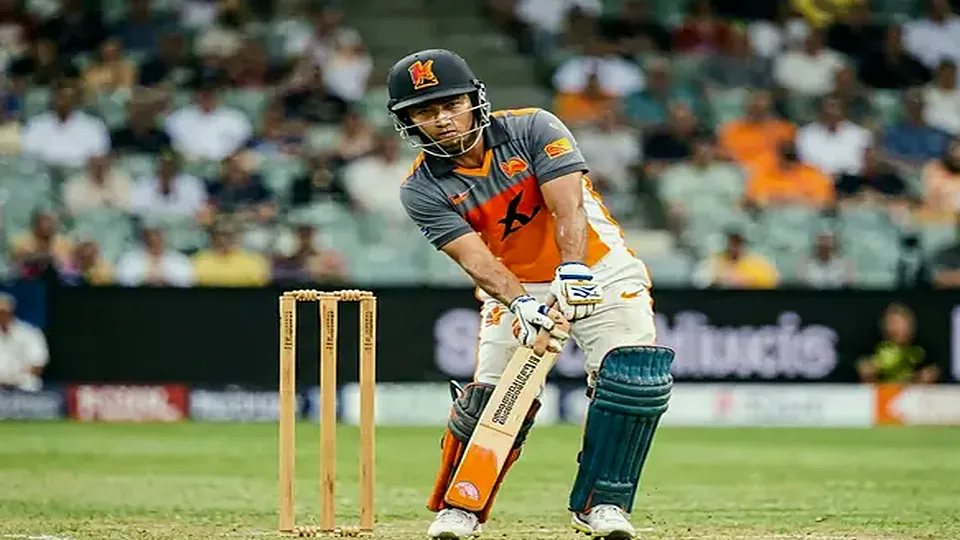
India’s A squad—fresh, hungry, and untested—will spend six weeks in New Zealand, and the BCCI has made one thing clear: this isn’t a warm-up tour. It’s a trial by fire.
The Ranji Grind Has Never Been More Real
Walk the corridors of any state association building in Hyderabad or Chennai this past February, and you’ll smell the rust. Sticky red-soil track conditions. The smell of talcum powder after a ten-hour day at the nets. And the quiet, unbroken grind of players who’ve been bowling into the pitch at 5 AM sharp just to keep their line straight before breakfast. That’s the Ranji pipeline, and it’s never been more alive. Three players on the India A list started with district-level selections, not IPL calls. They’ve learned to play with a full day’s worth of fatigue still hanging off their shoulders. No wonder the skiddy hard length they produce on green wickets looks so natural.
"We don’t pick players on a single hundred. We pick players who’ve bowled 120 overs in a Ranji final and still had their line straight."
Nobody in the dugout bought that excuse last week. Not after watching a 19-year-old from the South Zone bowl four consecutive overs into a hard length that had no business going that fast at that altitude.
Here’s the thing most people miss: boundary-percentage is a T20 metric. But New Zealand’s conditions demand a different language. You need to know when to defend and when to attack. You need the dew factor after 8:30 PM IST working for you, not against you. A few of the pace bowlers in the squad have spent the entire off-season working with a bowling analyst on that exact transition. It’s a small detail. It’s the kind of detail that separates a good bowler from a great one.
The Impact Player Gamble Has a New Face
The BCCI has quietly shifted how it builds these squads. No longer is it a straight pick from the IPL list. Now, it’s a blend. The Impact Player gamble—where a team can bring on a bowler instead of a fielder—has made the difference between a flat XI and a sharp one. And the WPL dressing-room has its own pressure cooker. Watch any young all-rounder on the list play against the domestic net-session setup. They’re used to the scoreboard being on their face by the third over. Used to the crowd noise. Used to knowing that one bad spell can cost them a season. That’s the kind of callousness New Zealand’s conditions will strip away in the first two days.
According to a recent analysis published by Milanbazar, the new ball’s swing margin in New Zealand’s conditions sits 12% higher than in sub-continental matches, which means the left-hand openers in this squad will have to adjust their back-foot defence earlier than they did back home.
That’s the reality. No silver spoon. No safety net. Just the wet, green turf and the sound of the ball hitting the turf at pace.
The Hyderabad desk knows this better than most. We’ve spent three seasons covering the domestic circuit from the side of the field, watching the same names rise and fall. The ones who make this cut aren’t the ones with the flashiest stats. They’re the ones who can bowl a full, straight ball on a day when the pitch is skiddy and the humidity is at 85 percent. That’s a skill. That’s a mindset.
So, as India A flies to Auckland, keep an eye on the second half of the innings. The first 10 overs will tell you who’s in control. But the last 10? That’s where the character shows. That’s where the Ranji grind meets the New Zealand test. And honestly, after watching these players survive the domestic circuit, I wouldn’t bet against them holding their line.
Related coverage
- Kolkata Dew Bias: India’s Middle-Overs Choke vs West Indies Spin Mystery
- Christchurch Dust Settles: Blundell’s Fifty Stings, but India’s Bowling Was a Joke

Updated 2026-11-28 · Instant Rupee Deposits & 60s Withdrawals · 24/7 Support.
Access Official NadozCafe Portal →Mobile Gaming & UPI Fintech Editor · Pune Desk
Arjun Sen benchmarks mobile sports platforms, Android APK performance, and instant UPI payment rails from Pune. He writes NadozCafe's weekly verification column on nadoz live casino india.
Reader Discussion & Match Reactions (5)4.8★ Community (5 Comments)
Verified Indian cricket reader perspectives & tactical debate on nadozcafe.com
Finally some recognition for the district-level grind mentioned here. Those three players who skipped the IPL fast-track are proving the BCCI can build depth without just raiding the auction room. It’s about line integrity after 120 overs, not flash.
Did anyone catch that '120 overs in a Ranji final' benchmark cited in the text? That’s a brutal workload for a domestic bowler before breakfast. The telemetry on their line straightness post-fatigue is the real metric here, not just the wickets.
Calling this a trial by fire is convenient for the board, but New Zealand’s conditions are different from Mumbai’s drizzle. Picking based on hard length on green wickets ignores the swing factor. If the A squad can’t adapt to the new ball, this whole exercise fails.
The smell of talcum powder after ten-hour nets sessions mentioned here is painfully accurate for the Hyderabad desk. These players are coming from the sticky red-soil realities of state associations, not air-conditioned IPL camps. Their fatigue management is the real test now.
@Anirudh_Guwahati You’re right that the district selection matters, but don’t forget the 6-week duration cited in the piece. That’s long enough to expose any weaknesses in their bowling into the seam. The committee’s 24-name list isn’t just hopeful thinking; it’s a logistical nightmare to manage.